WhatsApp

Why a Biogas Scrubber Stops Working

This is one of our own product development programmes rather than a client engagement, so the reasoning behind it can be described in full.
The challenge
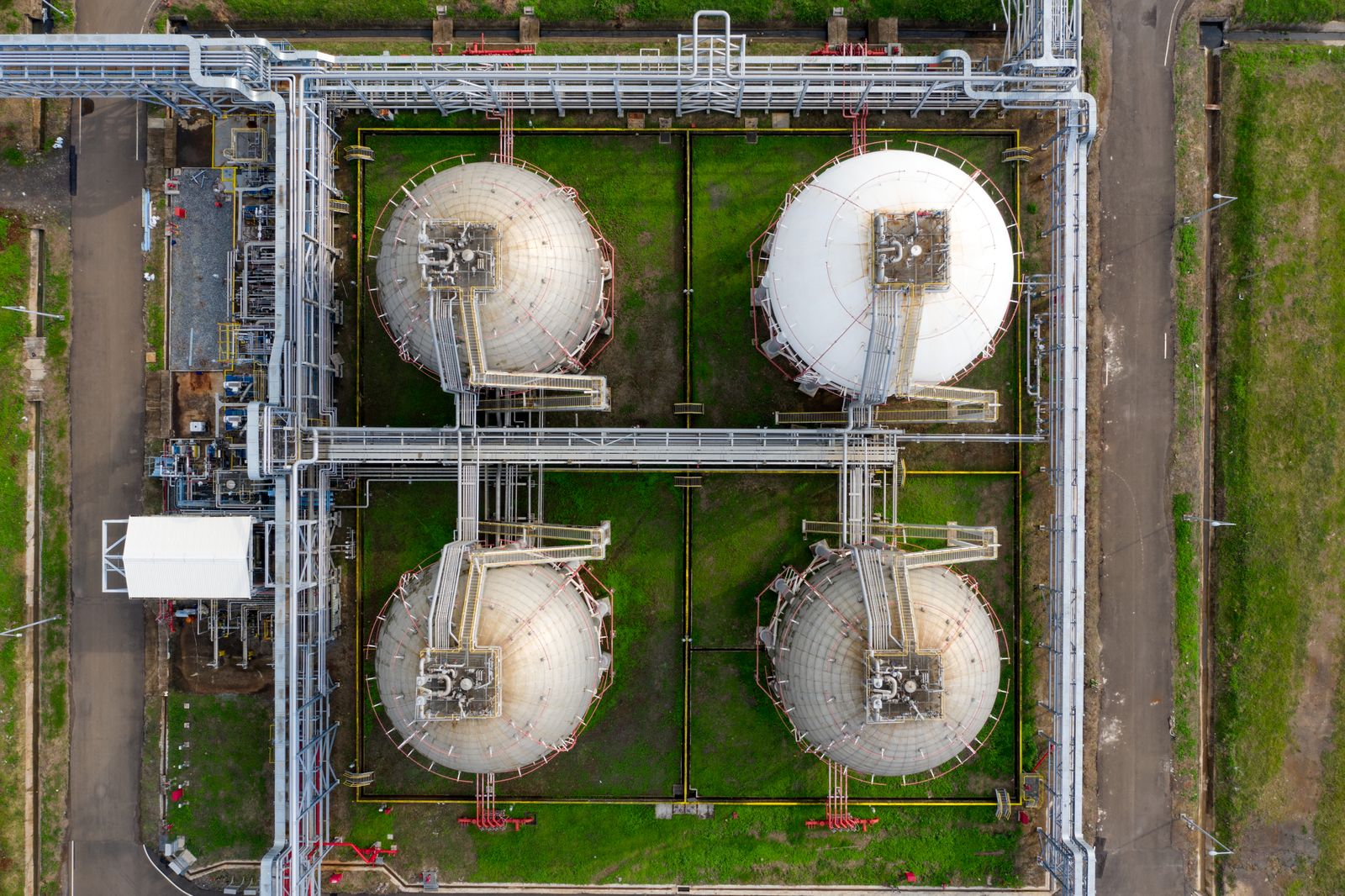
Biological scrubbing has largely won the argument on compressed biogas plants of any size. Sulphide-oxidising bacteria convert H2S to elemental sulphur or sulphate, and because the active agent grows rather than being consumed, the plant is not buying a reagent in proportion to the sulphur it removes. There is no spent caustic to dispose of and no media change-out schedule. Against a chemical scrubber, the operating cost structure is simply better.
It holds that advantage only while the culture is healthy, and that is the part that gets overlooked at commissioning.
The organisms doing the work need more than sulphide and oxygen. They need nitrogen and phosphorus to build biomass, and they need trace elements as cofactors for the enzymes doing the oxidation. Biogas supplies none of these. Neither does the water in the circuit, in any reliable quantity. Unless something is added deliberately, the culture is drawing on a finite reserve.
What follows is predictable and is almost never read correctly. Outlet H2S begins to rise. Nothing has changed mechanically, so the plant looks for a mechanical cause: channelling in the packing, a distribution problem, a blower. Sometimes that is what it is. More often the culture has thinned, the population that was doing the oxidation is smaller than it was, and the vessel is working exactly as designed on a biology that no longer matches its load.
The cost of the wrong diagnosis is high. A shutdown, an inspection, and a repack, followed by the same slow rise.
The approach
We developed a nutrient blend for this specific duty: keeping thiobacteria cultures active in the biological scrubbers removing hydrogen sulphide from compressed biogas.
The formulation supplies the nitrogen, phosphorus, and trace elements the oxidation requires, in a form and ratio suited to a scrubber circuit rather than a general-purpose fertiliser. That distinction matters more than it sounds. A blend that carries the wrong counter-ions, or that shifts the pH of a circuit already balancing acid production from sulphate formation, creates a second problem while solving the first.
Alongside the product we settled the diagnostic sequence, because supplying a nutrient without establishing that a nutrient is what is missing is guesswork. The questions we ask before recommending anything are the ones our enquiry form now asks directly:
- Biogas flow rate, which with inlet concentration gives the actual sulphur load the culture is being asked to handle.
- Inlet H2S concentration, and whether it has changed, since a feedstock change upstream will raise the load without anything in the scrubber altering.
- Scrubber type, biological, bio-trickling, or hybrid, since the liquid circulation differs and with it how a nutrient is delivered.
- The culture in use, whether it was seeded from a supplied inoculum or established from the digester itself.
- The outlet specification that has to be met, which sets what "working" means for this plant rather than in general.
Those five answers separate a starved culture from an overloaded one from a genuine mechanical fault, and they can be gathered without opening anything.
The outcome
The blend is a catalogued product, supplied against the plant's own operating figures rather than as a fixed dose.
What it restores is the economics the plant chose biological scrubbing for in the first place: a bed that holds specification without a stoichiometric reagent behind it and without a spent caustic stream leaving site. Maintaining a culture is a running cost. It is a considerably smaller one than replacing what a culture does.
We have deliberately not published a recovery time or a dose figure here. Both depend on how far the culture has declined and on the load it is carrying, and a number from one installation presented as general guidance would mislead more than it helped.
What the programme taught us
The generalisable point is about diagnosis rather than chemistry.
A biological unit operation fails differently from a chemical one, and plants staffed by engineers reasonably reach for engineering explanations. A chemical scrubber that stops performing has run out of something measurable or has a fault you can find. A biological scrubber that stops performing may have neither, and the cause sits in a population nobody is monitoring.
The practical consequence is that a biological scrubber needs a small amount of biological instrumentation and attention from the day it is commissioned, not from the day it disappoints. Knowing what the culture was doing when the plant was working is what makes the decline legible when it starts.
We supply the nutrient blend and the gas purification technology around it. If your outlet H2S has been creeping up, the operating figures above are worth assembling before anything is opened.
Written by

Dr. Muntazim Munir Khan
Strategic Advisor
Dr. Khan advises ChemEngg Research on where its chemistry meets a market, having spent his career on both sides of that line. He holds a Ph.D. in polymer chemistry from the University of Hamburg and an MBA, and has worked across formulation development, gas separation membranes, and European business development for high-performance polymers. He was ChemEngg's business strategy consultant from 2019 to 2022, covering market dynamics and competitive intelligence for the textile, paper, and rubber sectors.