WhatsApp

Choosing a Solvent You Can Recover
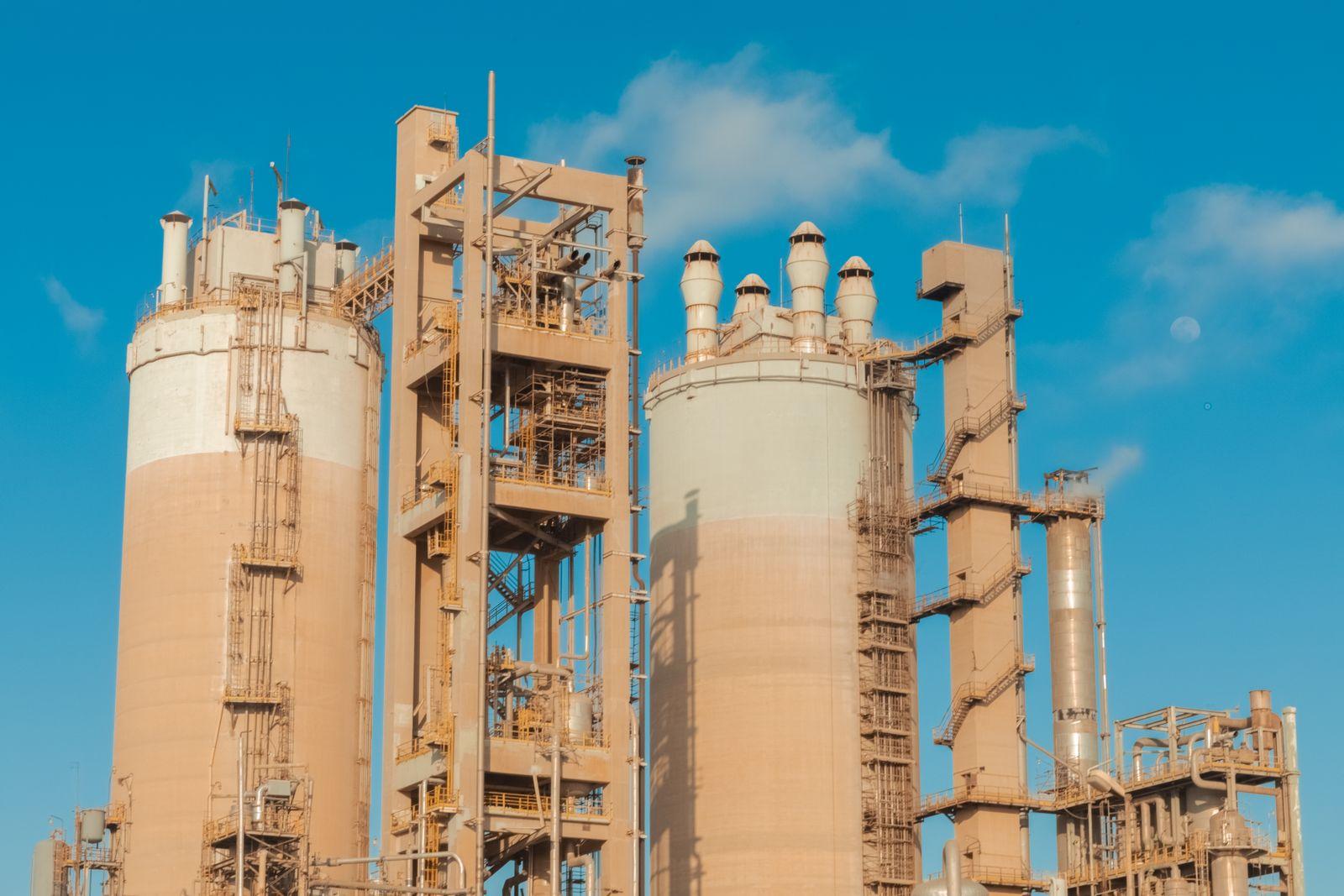
Solvent selection is usually settled in the first fortnight of route scouting, by whichever solvent dissolved everything and gave the cleanest chromatogram. In mass terms it is the largest decision anyone on the project will make, and it is generally made by someone who will never see the effluent bill.
Solvent is most of the mass
Take almost any specialty chemical process and weigh what goes into it. The reagents are a small fraction. The solvent is usually most of the input, and since the reaction does not consume it, it is also most of the output.
That single fact reframes the decision. A solvent choice is not a chemistry preference, it is a commitment to move, store, heat, cool, and eventually either recover or dispose of several times the mass of the product. At laboratory scale the consequence is a bottle in a waste cabinet. At pilot scale it is a tanker, a licensed disposal contract, and a line in the consent the site operates under.
The reaction may work perfectly well in six solvents. Those six will differ by a large factor in what they cost to run.
The recovery question is a separation question
Recovering a solvent means separating it from everything it picked up along the way: water, product, unreacted material, salts, colour, and whichever second solvent somebody added at the workup.
Whether that separation is straightforward is decided by physical properties that are known before a single experiment is run. Boiling point relative to the impurities. Whether the solvent forms an azeotrope with water or with the other solvent in the process. Whether it is miscible with water. Thermal stability at the temperature the still will actually run at.
None of this requires the molecule. It can be done on paper during route scouting, which is the only point at which the answer can still change the route.
Azeotropes are where recovery plans die
An azeotrope is a mixture that boils at a fixed composition, so distillation stops separating it. Recovery plans routinely assume a solvent can be dried by distillation and then discover that it cannot, because the solvent and the water leave the column together at a composition nobody wanted.
This is not obscure chemistry. It is well documented for every common solvent and it is the first thing worth checking. The consequences are practical. An azeotrope means the recovered solvent carries water, water in the recovered solvent changes the next batch, and a process quietly running on wetter and wetter solvent will drift until somebody notices the yield sliding.
The fixes are known and none of them is free. Add an entrainer and you have introduced a third component to separate. Use a molecular sieve and you have a regeneration cycle and a consumable. Move to a solvent with no azeotrope and you may have given up the solubility you chose it for.
Water miscibility decides the effluent route
A water immiscible solvent separates in a vessel. What crosses into the aqueous layer is set by its solubility, and the aqueous layer goes to effluent carrying that organic load and no more.
A water miscible solvent does not separate. It goes wherever the water goes, so the aqueous stream now carries a high organic load and has to be stripped before discharge or sent away as a mixed waste. The chemical oxygen demand of the effluent, which is what a discharge consent is written against, is often set almost entirely by this one property.
Both kinds of solvent have their place. The mistake is treating the choice as a workup detail rather than as the decision that fixes a site's effluent load for the life of the process.
The comparison worth making early
Before committing to a solvent, these are the comparisons that change the answer.
- Boiling point against the impurities it must be separated from. Enough separation and recovery is a single distillation. Not enough, and it is a column, a reflux ratio, and an argument.
- Azeotrope behaviour with water and with every other solvent in the process. Check it on the second day, not after the pilot campaign.
- Water miscibility, since it decides whether the aqueous stream is a phase to separate or an effluent to treat.
- Thermal stability and peroxide formation. A solvent that degrades in the reboiler, or forms peroxides on storage, is not recoverable in practice however good the separation looks on paper.
- What the recovered solvent has to meet before reuse. Recovery to a specification the process will accept is the only recovery worth costing. Recovery to a lower grade is a different and cheaper product, and should be planned as one.
Where this sits for us
Process development, sustainability evaluation, and the consultancy work that sits between them are lines we run, and solvent selection is among the first things we look at on a route heading for scale.
If you are running a process where the solvent is bought fresh and disposed of after a single pass, the question worth answering is not whether it could be recovered. It is what the recovered material would have to meet before the process would take it back. That specification, written down early, decides whether recovery is a project or a hope.
Written by

Dr. Mohan K. Dongare
Scientific Advisor
Dr. Dongare advises ChemEngg Research on catalyst selection, characterisation, and the route from a laboratory catalytic result to a process that holds at scale. He is a catalysis scientist from CSIR-National Chemical Laboratory in Pune, where he worked in the Catalysis and Inorganic Chemistry Division on heterogeneous and solid acid catalyst systems, and is a named inventor on solid acid catalyst patents including the synthesis of lactate esters from lactic acid.